Yoga
There’s something for everybody from the vast philosophy and practice of Yoga.
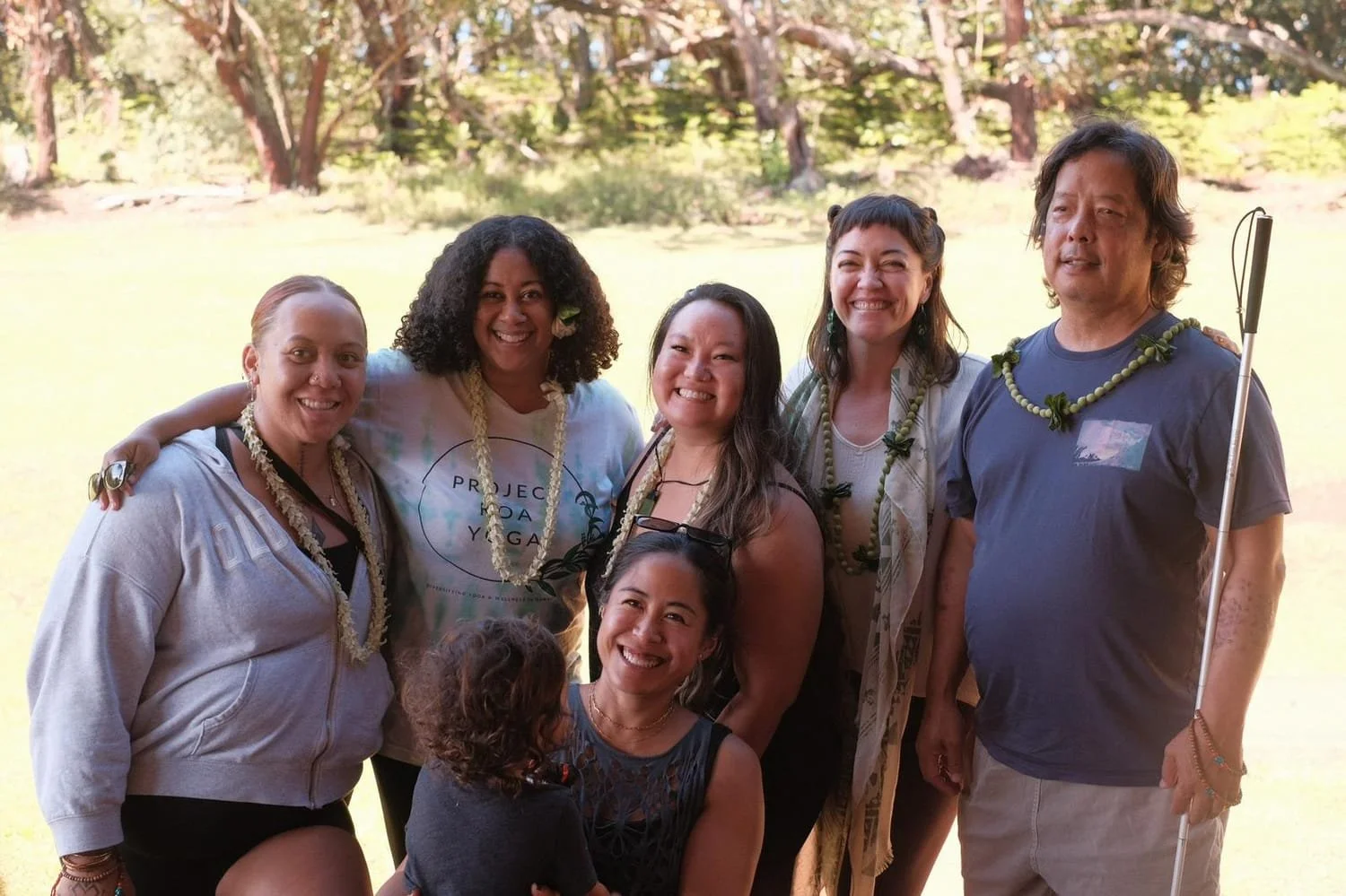
PCW is part of a larger global movement to both restore the roots of Yoga and to honor the Indigenous peoples and lands where Yoga classes are offered. Student since 2000, teacher since 2006, teacher trainer since 2020, Jo’s lineage has many branches - from Sivananda to Susanna Barkataki. Although public classes are not currently available, Jo co-led Project Koa Yoga’s Yoga Alliance-registered 200-hour teacher training and is currently co-creator for Hawai`i Yoga Institute’s Yoga Teacher Training. The modules they offer are (subject to change):
Holding Space: Mental and behavioral health challenges in Yoga
Kuleana to Hawaiʻi Part 2: Kanaka ʻŌiwi conceptions of wellbeing, intro to decolonialism
Kuleana to Hawaiʻi Part 3: Settler colonialism, decolonialism in Yoga
Prāṇāyāma: Intention and Regulation
Dhyāna: Becoming the Eye of the storm, realizing connection
Karma Yoga and Social Justice in Your Community: The power of selfless service
PCW offers consulting & research for Yoga projects, as well as continuing education modules such as:
Decolonialism and Yoga: Connecting with Roots for Authentic Teaching
Creating Safe Spaces: Trauma, Emotion Regulation, and Addiction in a Pono Yoga Space
Contemplative Science in Yoga Classes: Mindfulness, Compassion, and Meditation
Karma Yoga and Social Justice in Your Community: Connect, Integrate, Serve
Read more about Jo’s contemplative background here.
Yoga from our perspective
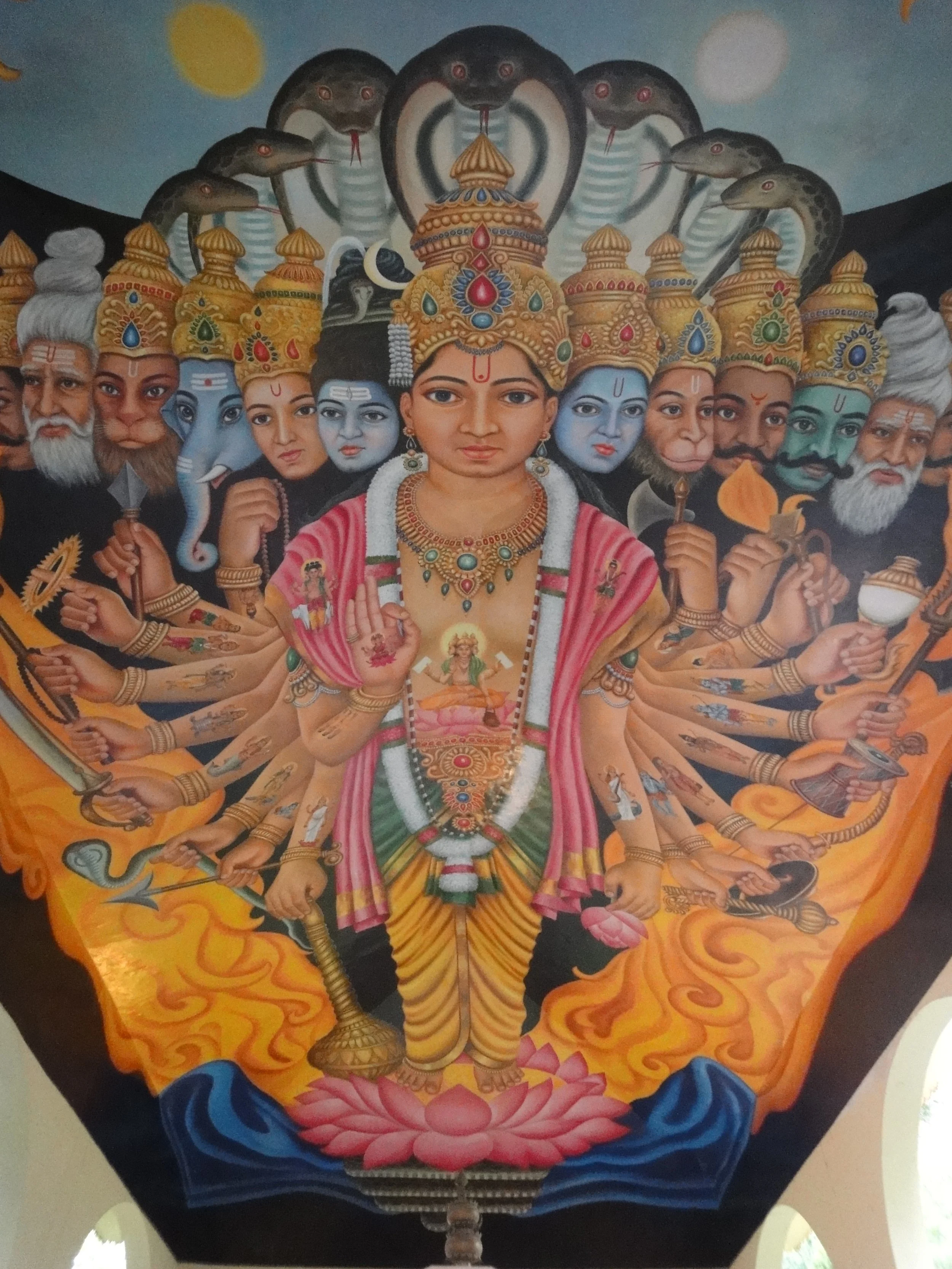
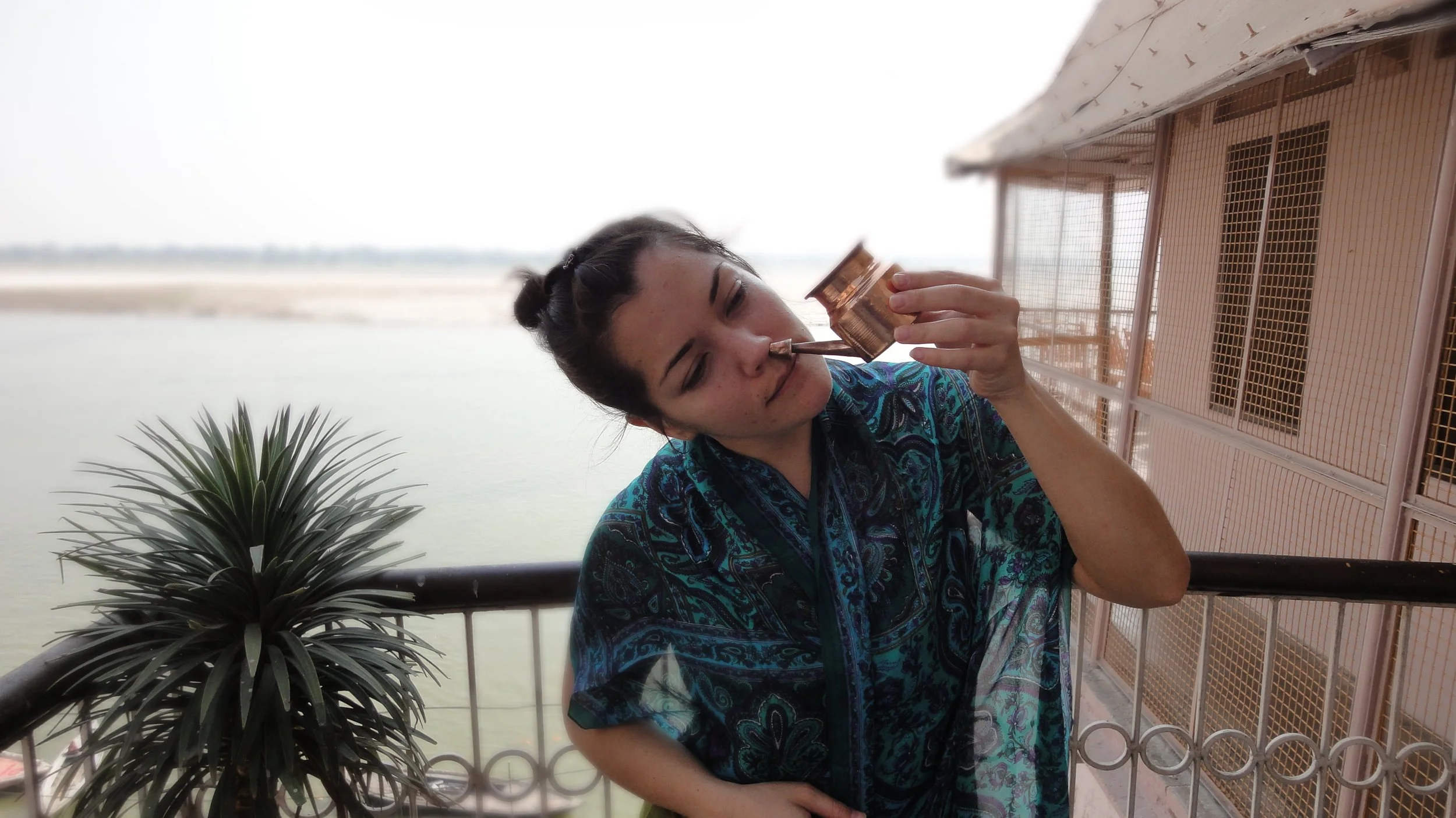
The substrata of the system of Yoga, considered one of the six faces of Hinduism, can be dated back 5000 years or more. Its branches have expanded from roots in modern India and Pakistan to shores across the planet, a dazzlingly complex multi-layered ever-evolving phenomenon. Some branches of Yoga include karma (service), bhakti (devotion), jnana (self-study), raja (meditation-based), hatha (the sun-moon approach which includes āsana (seat/postures; Sanskrit: आसन), Prāṇāyāma (life force regulation; Sanskrit: प्राणायाम), Dhyāna (meditation; Sanskrit: ध्यान), and other techniques).
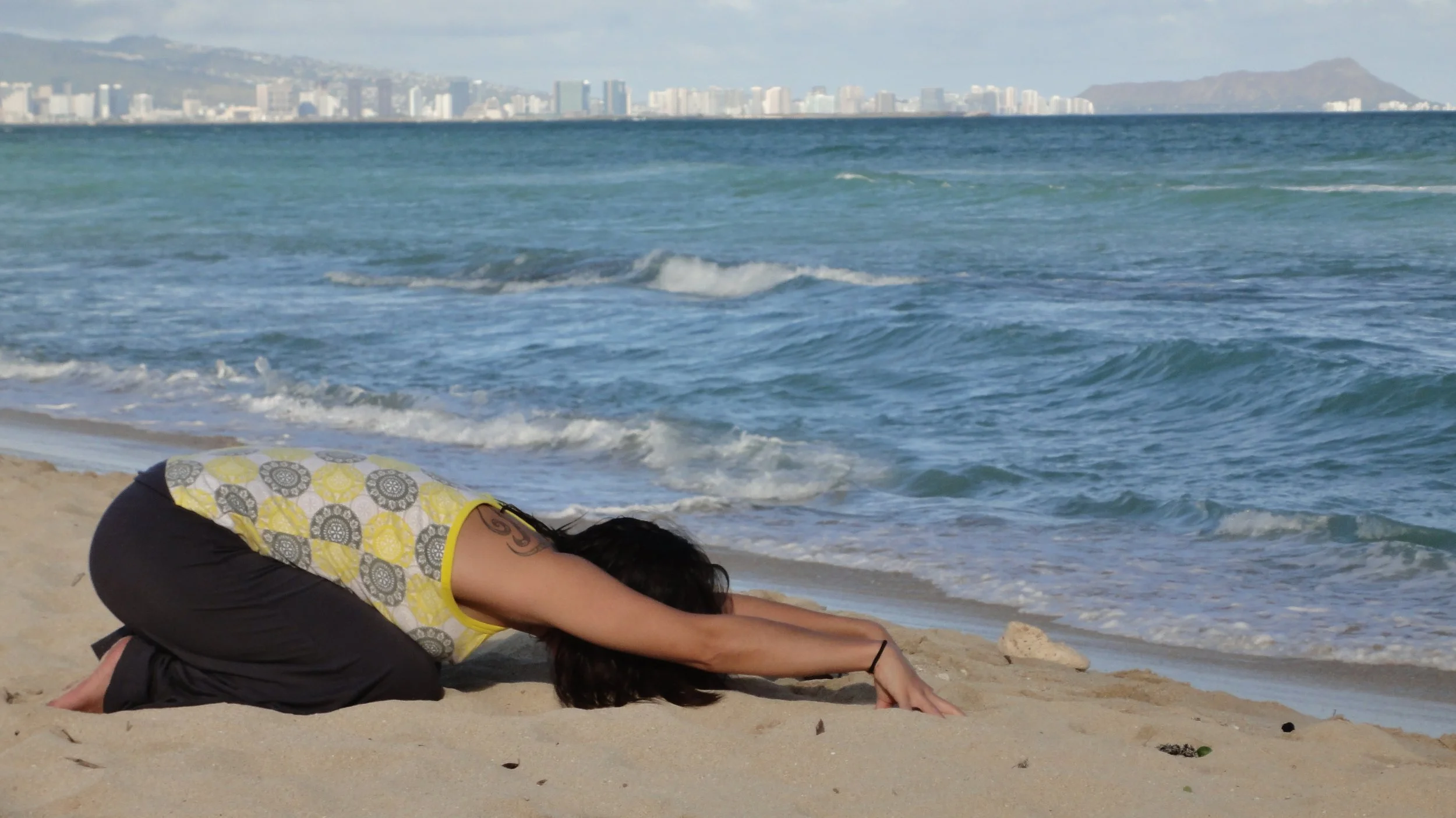
Most folks in English-speaking countries understand Yoga through āsana, the postures. Though āsana practice is a part of all classes we offer, their primacy will shift, depending on the group or individual. Ultimately, the path of Yoga leads to connection and realization of higher self – the nuance of this meaning differs with each context.
Our approach to Yoga teaching (and just about everything else :)) at PCW is trauma-informed, accessible, and adaptive. So when we meditate, we could be sitting, like the person in this picture, or laying down, in a chair, or even standing. Our eyes might be closed - or if that’s not safe, gently gazing at an unmoving point. The practitioner is always empowered to choose what’s supportive and kind in each moment.
It’s important to note that Yoga is not always relaxing or pleasant. What’s more, as with any activity, there are risks to Yoga for some folx.
Read more about Yoga from the empirical literature:
(List forthcoming)